

Property development is a capital-intensive industry where timing and precision dictate success. According to recent industry analyses, the average commercial loan approval process can take several weeks, during which time market conditions or site availability may shift dramatically. This volatility underscores the critical need for efficient capital sourcing. A development finance broker acts as a strategic partner, bridging the gap between complex lender requirements and developer needs. By leveraging a whole-of-market approach, brokers ensure that projects secure the right funding structure without unnecessary delays or costly errors. (How Much How)
Access to a Wide Range of Lenders
One of the most significant advantages of using a broker is access to a vast network of specialized lenders. Developer Money Market works with more than 120 of the UK’s leading specialist lenders. This extensive network allows for a holistic view of the market, ensuring that developers are not limited to the products offered by a single bank or institution.
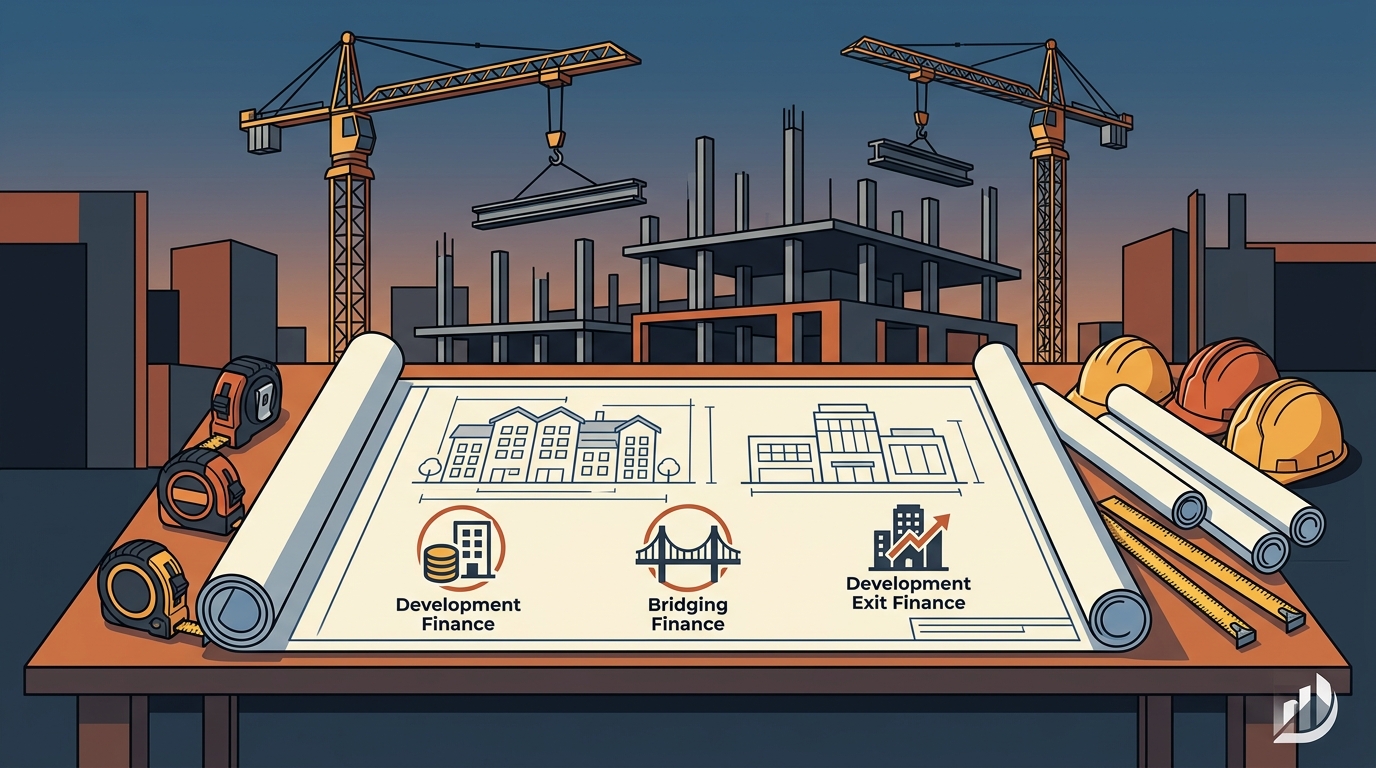
Development finance is not a one-size-fits-all product. Lenders have varying appetites for risk, different lending criteria, and unique product structures. By engaging a broker, you gain access to over 320 development, bridging, development exit, and joint venture products. This diversity is crucial for finding a solution that matches the specific profile of your development project, whether it is a new build, a conversion, or a complex mixed-use scheme. (How Much How)
For developers operating in England, Wales, Scotland, Northern Ireland, Gibraltar, and the Channel Islands, this wide access ensures that local and international funding sources are available. The ability to tap into this broad pool of capital increases the likelihood of securing funding even in tight market conditions.
Speed and Efficiency in Deal Structuring
In property development, time is money. Delays in securing finance can lead to missed opportunities, increased holding costs, and strained relationships with contractors and suppliers. A professional broker streamlines the application process by preparing deals in a way that resonates with credit teams. This is often referred to as "deal packaging."
Developer Money Market is built by team members with lender backgrounds. This means they understand how credit teams actually underwrite deals. By structuring applications correctly from the outset, brokers can significantly reduce the time lenders spend on due diligence. This efficiency leads to faster decisions and faster loan completions, which is particularly vital in bridging finance where rates can fluctuate rapidly.
For instance, bridging finance rates can start from 0.65% per month. Securing a competitive rate quickly can save a developer thousands of pounds in interest payments. A broker ensures that the application is complete and compliant, minimizing the back-and-forth that often delays approvals.
Navigating Complex and Bespoke Cases
Not all development projects fit neatly into standard lending boxes. Complex cases, such as part-built developments, agricultural conversions, or projects requiring no personal guarantee (PG) options, often require bespoke deal structuring. High street banks may decline these applications due to their complexity or perceived risk.
Specialist brokers excel in these scenarios. They can source funding for complex cases and unusual property types that mainstream lenders might overlook. This includes options for no PG requirements, which is a significant benefit for developers who wish to protect their personal assets. Furthermore, brokers can structure deals to include refurbishment budgets, allowing developers to access funds for both acquisition and renovation simultaneously.
Development finance is defined as a short-term loan used to fund the construction or renovation of real estate. However, the nuances of how this finance is structured can vary widely. A broker helps navigate these nuances, ensuring that the loan terms align with the project's cash flow and exit strategy. This is particularly important for projects involving HMOs, hotels, student accommodations, or care homes, each of which has unique lending criteria.
Cost Savings and Fee Structures
While it might seem counterintuitive, using a broker can often result in lower overall costs. This is due to two main factors: competitive lending rates and the avoidance of upfront fees. Developer Money Market operates with no upfront fees, which means developers do not pay for the service unless the deal is successful. This aligns the broker's incentives with the developer's success.
Additionally, brokers can negotiate better terms on behalf of the developer. By presenting a well-packaged deal to multiple lenders, brokers can create competition among lenders, potentially leading to more favorable interest rates and lower arrangement fees. This is especially relevant for revolving credit facilities, where funding of up to £3 million can be drawn quickly when needed. Access to such flexible facilities can reduce the need for expensive short-term bridging loans later in the project.
Furthermore, brokers can identify cost-saving opportunities within the loan structure. For example, they can advise on VAT loans and land remediation tax relief, which can improve the overall financial viability of a project. Understanding these financial instruments is part of the expert guidance brokers provide.
Expert Guidance and Risk Mitigation
Property development involves significant financial risk. A broker provides expert guidance throughout the process, from initial assessment to completion. This guidance helps mitigate risks associated with funding gaps, cash flow shortages, and regulatory compliance. For example, brokers can advise on the appropriate loan-to-cost (LTC) ratios, with options for up to 100% LTC funding available from certain specialist lenders.
Broker Money Market is a proud member of the NACFB, the UK's leading trade association for commercial finance brokers. This membership ensures that they adhere to high professional standards and ethical practices. Developers can trust that their interests are protected and that the advice they receive is in their best financial interest.
Moreover, brokers can help developers avoid common pitfalls. For instance, they can advise on the implications of personal guarantees, the timing of drawdowns, and the requirements for development exit finance. This proactive approach helps ensure that the project remains financially viable from start to finish.
Comparing Funding Options
Choosing the right funding option is critical to the success of a development project. Brokers provide a comparative analysis of available products, helping developers make informed decisions. Below is a summary of key funding options available through specialist brokers.
| Funding Type | Key Features | Best For | Typical Range |
|---|---|---|---|
| Development Finance | Senior, stretch senior, mezzanine & JV options | New builds, conversions, PDR | £25,000 to £150 million |
| Bridging Finance | Rates from 0.65% p.m., fast completions | Auction purchases, quick acquisitions | Varies by lender |
| Joint Venture Funding | 100% LTC funding, equity injection | Developers lacking cash equity | £200k to £1 million |
| Revolving Credit | Flexible drawdown, interest-only | Multi-phase developments | Up to £3 million |
This table highlights the diversity of products available. Each option serves a specific purpose, and a broker can help determine which is most suitable for your project. For example, if you are looking for 100% joint venture funding, a broker can connect you with lenders who specialize in this area. Similarly, if you need buy-to-let mortgages, they can source competitive rates for landlord investors.
Key Takeaways
- Market Access: Brokers provide access to over 120 specialist lenders and 320+ products, far exceeding the reach of individual developers.
- Speed: Expert deal packaging reduces approval times, which is critical in fast-moving markets like bridging finance.
- Complexity: Brokers specialize in complex cases, including no PG options and part-built developments, which mainstream banks often reject.
- Cost Efficiency: No upfront fees and competitive rate negotiation can significantly reduce the overall cost of borrowing.
- Expertise: Team members with lender backgrounds ensure deals are structured to meet credit team requirements.
- Geographic Reach: Funding is available across the UK and internationally, including Gibraltar and the Channel Islands.
- Regulatory Compliance: As NACFB members, brokers adhere to high professional standards, ensuring transparency and trust.
Frequently Asked Questions
What is a development finance broker?
A development finance broker is a specialist intermediary who helps property developers source funding from a wide range of lenders. They act as a bridge between developers and financial institutions, ensuring that the right funding solution is found for the specific needs of the project.
How much does it cost to use a development finance broker?
Many brokers, including Developer Money Market, operate with no upfront fees. They typically receive commission from the lender upon successful completion of the loan. This means developers do not pay for the service unless the deal is funded.
Can a broker help with complex development projects?
Yes, brokers specialize in complex cases that mainstream banks may decline. This includes part-built developments, agricultural conversions, and projects requiring no personal guarantee. They can structure bespoke deals to meet the unique requirements of these projects.
What types of funding can a broker source?
Brokers can source a wide variety of funding, including development finance, bridging finance, joint venture funding, revolving credit facilities, and buy-to-let mortgages. They also assist with VAT loans and land remediation tax relief.
How long does it take to get funding through a broker?
The timeline depends on the type of finance and the complexity of the deal. Bridging finance can be completed quickly, often within days. Development finance may take a few weeks, but brokers work to expedite the process by ensuring all documentation is in order from the start.
Do brokers work with international lenders?
Yes, many brokers have access to international lenders and can provide loan products across the UK and abroad. This is particularly useful for developers looking for diverse funding sources or operating in regions like Gibraltar and the Channel Islands.
What is the difference between senior and mezzanine finance?
Senior finance is the primary loan used to fund a project, typically covering a significant portion of the costs. Mezzanine finance is a secondary loan that sits behind senior debt, often used to fill funding gaps. Brokers can help structure a combination of both to optimize the capital stack.
Get Your Development Funding
Securing the right funding is the foundation of any successful property development project. By using a specialist broker, you gain access to a wide range of lenders, expert guidance, and efficient deal structuring. Developer Money Market is ready to help you find the best funding solution for your next project. Contact us today on 01244 953360 or request a call back here to start your journey.